Artificial intelligence has quickly moved from a buzzword into a daily tool for software engineers. In this post I share how I use AI in my workflow, what it changes, and why engineering fundamentals matter more than ever.
AI as a Pair, Not a Replacement
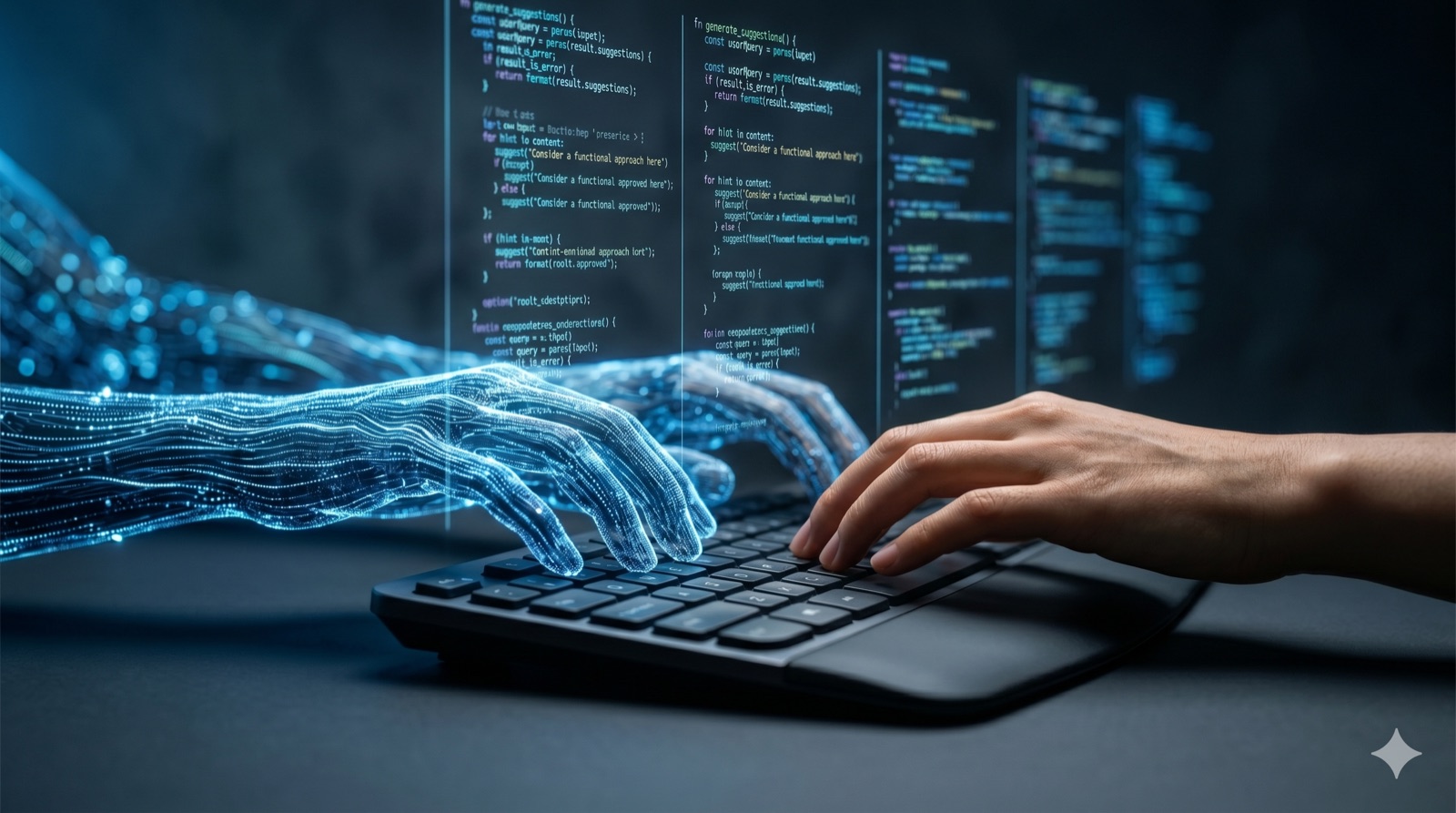
Modern AI assistants are excellent at generating boilerplate, explaining unfamiliar code, and suggesting approaches. They act like a tireless pair programmer. But they do not understand your product, your users, or your constraints. The engineer still owns the decisions.
The real shift is speed. Tasks that used to take an hour, such as writing tests or scaffolding a component, now take minutes. That extra time goes back into design, architecture, and quality.
Where AI Helps Me Most
- Generating and refactoring repetitive code
- Explaining errors and unfamiliar libraries
- Drafting documentation and commit messages
- Exploring multiple solutions before committing to one
Where Fundamentals Still Win
AI can produce code that looks correct but hides subtle bugs. Without a solid grasp of data structures, security, and system design, it is easy to ship problems faster. The most valuable skill today is judgment: knowing what to accept, what to question, and what to rewrite.
How I Stay Effective
I treat AI output as a draft, never as a final answer. I read every line, run the tests, and make sure I can explain the code myself. I also keep learning the underlying concepts, because the better I understand a problem, the better I can guide the tools.
Closing Thoughts
AI does not make engineers obsolete. It raises the baseline and rewards those who combine strong fundamentals with good taste. The engineers who thrive will be the ones who use AI to move faster while staying responsible for the result.